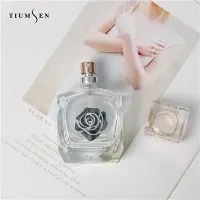
Create perfume bottles using 3D printing technology
Dec 13, 2023

In the realm of perfume bottle design, the integration of 3D printing technology has revolutionized traditional manufacturing methods by offering a cost-effective means to create visually stunning products. Recently, the renowned fashion brand Viktor&Rolf leveraged 3D printing technology to enhance the aesthetics of their Flowerbomb perfume bottle.
The redesigned perfume bottle features an intricate pattern of flowers and vines, showcasing exquisite craftsmanship. This particular design is set to be a part of the limited-edition 15th-anniversary collection, with an additional 14 variations all utilizing 3D printing technology for customization.
Alfonso Oliveira, Vice President of the International Perfume Bottle Association, disclosed that some styles from the limited-edition collection have already been sold at a price point of $60,000 each. These bottles have garnered widespread acclaim within the fashion industry.
The utilization of 3D printing in perfume bottle design not only allows for intricate and detailed patterns but also provides brands with the flexibility to create unique and personalized products. This innovative approach has not only captivated the attention of fashion enthusiasts but has also positioned 3D printing as a transformative force in the evolution of perfume packaging. As technology continues to advance, we can expect more brands to explore and embrace 3D printing to push the boundaries of creativity in the design of luxury items, such as perfume bottles.
The incorporation of 3D printing technology into perfume bottle design signifies a paradigm shift in the luxury goods industry. Beyond the immediate allure of visually striking designs, 3D printing offers a level of customization and complexity that was previously unattainable through traditional manufacturing methods.
Viktor&Rolf's use of 3D printing to intricately weave floral motifs into the perfume bottle speaks to the technology's capacity for precision and attention to detail. This level of artistry not only enhances the aesthetic appeal of the product but also elevates it to the status of a unique piece of art. The limited-edition 15th-anniversary collection, with its hefty price tag, not only underscores the exclusivity of these bottles but also establishes 3D-printed perfume bottles as highly coveted collector's items.
The success of these innovative designs has likely opened the floodgates for other luxury brands to explore the possibilities offered by 3D printing. As the technology becomes more accessible and sophisticated, we can anticipate a broader adoption within the industry. Customization, a key aspect of 3D printing, allows consumers to have a more personal connection with the product, aligning with the growing trend of personalized and unique luxury experiences.
Furthermore, the environmental impact of 3D printing in comparison to traditional manufacturing processes cannot be overlooked. With a potential reduction in material waste and energy consumption, brands embracing 3D printing may position themselves as environmentally conscious, appealing to a consumer base increasingly concerned about sustainability.
The intersection of 3D printing and perfume bottle design not only augments the visual appeal and exclusivity of luxury items but also sets the stage for a transformative era in the way high-end products are conceptualized and manufactured. As technology advances, the boundaries of creativity within the luxury goods sector will continue to expand, creating new possibilities for both designers and consumers alike.